

Cost to Replace Gutters and Downpipes
The cost of replacing gutters and downpipes is determined by a few factors. These include the size of the gutter system, the material and whether it includes gutter guards.
Gutter systems channel water away from your home. This prevents soil erosion as well as basement flooding. They also prevent staining brick and siding. They also prevent the formation of ice dams and rotting fascia.
Materials
Gutter and downspouts systems protect the foundation of a home from water damage. They remove excess water from the roof and siding to avoid structural damage. They are crucial in stopping foundation collapse, basement flooding and erosion. Gutter system maintenance includes cleaning and periodic replacement of damaged or blocked gutters.
Gutters and downspouts can be found in different materials such as galvanized steel aluminum, and copper. repairmywindowsanddoors.co.uk has different advantages and disadvantages. Choose the type that best meets your needs based on durability costs, maintenance, and cost requirements. Consider the style and color, as well the way they will complement the exterior of your house.
Clogs from pine needles, shingle grit and leaves are the main causes of gutter failure. When clogs form, rainwater is unable to flow through the gutter. It is forced across the fascia and soffit. This can cause mold, rot, or sagging. In some cases, water can overflow drains and collect close to the foundation.
Downspouts must drain water at about 4 to 6 feet from the foundation. They should also be installed with a slope that will prevent the accumulation of soil and debris near the home's foundation. If the grading isn't ideal it is possible to use a downspout extensions to divert the water away. These are available in different lengths and prices.
Sealing the gutter system will prevent water from seeping in into joints or seams and cause corrosion. Hardware stores typically sell silicone sealant which is a good option. A metal flashing can also be installed to safeguard the structure from water damage.
While it is possible to replace just a section of gutters yourself, the labor required to remove and dispose of the old gutter can add up to a significant cost. For the most efficient and cost-effective results, consider hiring an expert. Gutter installation experts can advise you on the best materials for your home, and install a seamless system that will last for many years.
Downspouts
Gutters are only as efficient as their downspouts which allow the water to go away from your foundation to prevent foundation problems and soil erosion. Downspouts are made of the same material as gutters, and are available in many styles and colors. They are typically round but they could also be rectangular or square to accommodate different roofs. They also come with features to aid in directing the water that is discharged, such as an incline at the bottom or a diverter that can be connected to an sewer line, a runoff water drains or even rain barrels.
Downspouts of gutters can become blocked with debris, such as leaves or twigs as well as pebbles This is the reason they must be cleaned regularly and checked for leaks and corrosion. A gutter company can inspect your downspouts and make any necessary repairs to ensure they function correctly. They can also suggest downspout extensions as well as other drainage systems for water to better manage the flow of water in areas with frequent heavy rainfall.
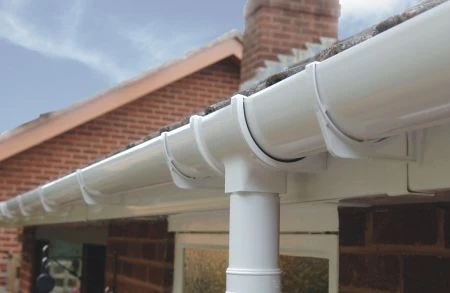
Consider the pitch of your roof and the average rainfall for your area when deciding on how many downspouts to put in. The general rule is to install one downspout for each 40 feet of gutter. This will prevent clogs and overflow. It can also help to prevent flood damage. It is best to install more downspouts if live in an area that receives frequent rainfall.
Downspouts can be found in a diverse range of materials including vinyl (PVC), galvanized steel, aluminum and copper. The most effective downspouts will be durable and lightweight, as well as weatherproof. When selecting your downspouts look for ones that have smooth, curved surfaces to prevent rust and clogging. Installing them should be simple. If you decide to do it yourself, ensure that you are using the right equipment and observe all safety guidelines when working at heights.
While it is possible to complete downspout installation yourself, it's best to leave the work to an expert. A professional gutter installer will save you time and money by ensuring that your downspouts are installed and functioning properly. They can also check the condition of your gutters, which includes cracks, dents and gaps. They can also check for peeled paint, rust and structural issues.
Heat tape
Gutter systems are a crucial element of your home's drainage system. They help divert rainwater away from your house and help prevent the rot and water damage. Gutters can wear out because of exposure to the elements, temperature fluctuations, and accumulation of debris. The best way to ensure that you keep your gutters in good condition is to regularly inspect and cleaning them. If you notice your gutters aren't working, it's time to replace them.
Sealing the seams using the gutter sealant will fix leaky gutters. This can be found at lumberyards, home centers, and full-service hardware stores. Use a caulking tool ensure the sealant is applied correctly. Sealant should be sprayed on both sides of gutters to stop water from escaping and damaging the exterior as well as the foundation of your house.
Installing an entirely new gutter system can be a challenging and rewarding DIY project. There are a variety of factors to be taken into consideration, including the size, slope and the material of your roof. Also, you should take into consideration your climate. If you live in an area that gets a lot of snow, you may prefer to build a bigger gutter and downpipe. This will help prevent ice dams.
After you've bought your gutters and downpipes It is important to ensure that they're installed correctly. First, you must take measurements from the corner to the downspout. Make sure that the downspout's location is at least four feet away from your home's foundation and away from obstacles such as electric meters, hose bibs, and sidewalks.
Install the downpipes, connecting them to gutters with elbows and connectors. You can also install a downpipe stub if you want to connect the downpipe to a waterbutt to harvest rainwater. It is best to get a professional if you are not confident installing gutters yourself.
In order to ensure that your downpipes and gutters are properly positioned it is essential to adhere to the installation guidelines of the manufacturer. It is also recommended to clean your gutters every two weeks year to get rid of any debris or leaves that might block the flow. Installing gutter guards is also a great idea to prevent the accumulation of leaves and other debris.
Wire mesh screens
Gutters and downpipes are crucial to keep water out of the house however, they'll only be efficient if they're clear of dirt and debris. To avoid the gutters from becoming blocked, they must be checked for proper slope and connections. This will help make your gutters last longer and keep the water flowing exactly as it should.
A wire mesh screen is more than just a way to keep bugs out of your home and let air in. It's an excellent option for upgrading the aesthetics of your home or business. These screens can come in different sizes and materials, making it essential to select the appropriate one for your requirements. When selecting a screen, there are a variety of factors to consider, including the screen mesh size, strand size and material.
Wire cloth is also referred to as woven mesh and is available in various specifications. The material can be used in a variety of industries, such as animal factories, petrochemical factories and juice production to filter water or separate ingredients. The wires are tightly woven to form a sheet that is both safe and clean.
Plastic and aluminum wire mesh is used extensively in residential settings for soffit vents, foundation vents, and gutter guards. They keep rodents, birds and other animals out of crawl spaces and attics and allow air to circulate, reducing the risk of mold, mildew, fire and rot. They are also light and resistant to a variety of chemical bases, solvents, and acids making them a great option for a range of industrial and DIY applications.
Downpipe adaptors are used to connect downpipes to drainage pipes underground and water butts. Gutter guards can be used to prevent blockages, reducing the need for frequent maintenance. Additionally connecting a downpipe to a rainwater butt is an excellent way to recycle water and cut down on costs for water. These steps will create an efficient gutter and resilient so your home is able to withstand any storm.